
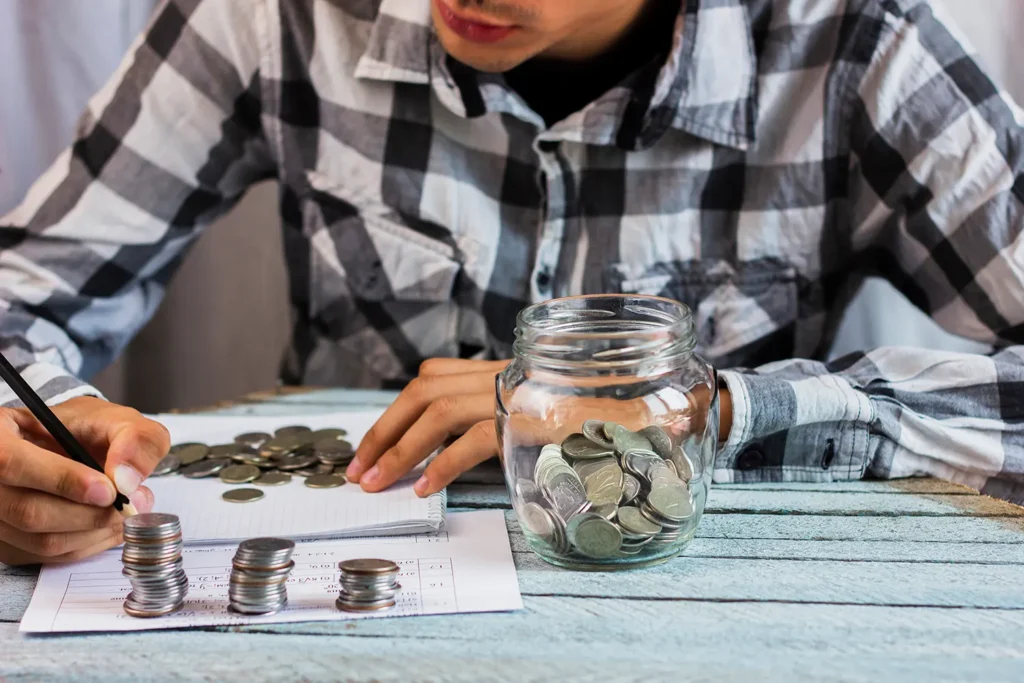
Introduction
Discover how a No Spend Month can help you save money, reduce debt, control spending habits, build financial discipline, and achieve your savings goals with practical budgeting tips.
Managing your money can be really tough. There are ads everywhere you can shop online anytime. It is easy to spend money every day. A lot of people buy things they do not really need. Then they wonder why they do not have much money left. One way to get control of your money is to try a No Spend Month. This means you do not buy anything you do not need for a month. You only spend money on the things you really need.
A No Spend Month is not about giving up everything you like. It is about being more careful with your money and finding ways to manage it better. When you stop buying things you do not need you can save money pay off debts and understand what is important to you. If you want to save money pay off debts or just be more careful with your money a No Spend Month can be really helpful.
What Is a No Spend Month?
A No Spend Month is a challenge where you try not to spend money on things you do not need for thirty days. During this time you only buy the things you really need like a place to live, food and transportation. You do not buy things like dinner at a restaurant, movie tickets or things you see online that you do not really need.
The goal of a No Spend Month is to spend money save more and be more aware of how you use your money. You can make your rules for the challenge. Some people are very strict. Do not buy anything extra while others allow themselves to spend a little money on certain things. The important thing is to make rules that work for you and to stick to them.
Why a No Spend Month Is Effective
A No Spend Month works because it helps you stop buying things. A lot of times people buy things without thinking about it just because they are used to spending money. When you make yourself stop and think about each purchase you can decide if it is really something you need.
A No Spend Month also helps you see why you spend money. Some people spend money when they are stressed, bored or see something on media that they want. When you stop spending money for a month you can find ways to deal with these feelings and you can learn to enjoy life without spending a lot of money.
Benefits of a No Spend Month
If you complete a No Spend Month you can get a lot of benefits. One of the things is that you will save more money. You can use this money to achieve your goals.
You can also pay off debts faster. When you save money during the challenge you can use it to pay off credit cards, loans or other debts. This can help you pay off your debts faster and save money on interest.
A No Spend Month also helps you be more careful with your money. You learn to think about each purchase and to only buy the things you really need. This can help you manage your money better for a time.
A lot of people also feel less stressed about money because they feel more in control. When you make choices about your money you can feel more confident and secure.
Setting Goals Before Starting
Before you start a No Spend Month it is an idea to think about what you want to achieve. Having a goal, in mind can help motivate you and make the challenge more meaningful.
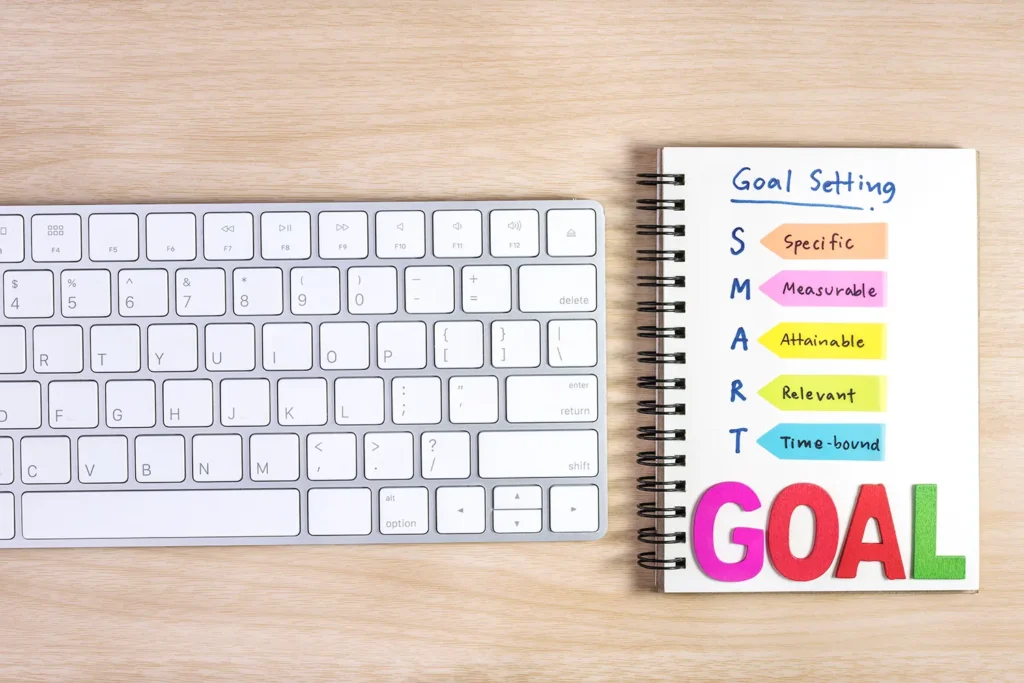
Some common goals include:
Building a safety net in case of an emergency. Paying off credit card debt. Saving for a trip. Saving for a house. Saving for retirement. Spending money on things you do not need
When you have a clear goal it is easier to stay focused and avoid temptation.
Create a Spending Plan
It is essential to prepare before you start the challenge. Look at your budget. Decide which expenses are necessary. You might need to spend money on:
Housing
Housing Rent or mortgage payments are still needed during the challenge. Make sure to include them in your budget.
Utilities
Things like electricity, water, internet and other utility expenses are a must.
Groceries
You can still buy food. Try to cut down on grocery spending. Plan your meals. Use what you already have at home.
Transportation
Fuel, transportation and necessary vehicle expenses are still part of your budget.
Healthcare
Don’t skip expenses and prescriptions during a no-spend challenge.
Making a spending plan helps avoid confusion and keeps you on track.
Common Rules for a No Spend Month
Every No Spend Month is different. Most challenges have similar rules. People often avoid:
Dining out. Coffee shop purchases. Online shopping. Clothing purchases. Entertainment spending. Impulse buys. -essential subscriptions
The goal is to cut down on unnecessary spending while keeping up with essential needs.
Meal Planning During a No Spend Month
Food expenses can add up quickly. Meal planning is a way to save money during the challenge.
Start by looking at what you have in your pantry, freezer and refrigerator. Plan meals around what you have before buying groceries. Cooking at home of ordering takeout can save you a lot of money.
Meal planning also helps reduce food waste and encourages eating.
Free Entertainment Ideas
One worry people have about a No Spend Month is being bored.. There are many ways to have fun without spending money.
Some popular options include:
Reading books. Walking or hiking. Exercising at home. Watching educational videos. Visiting parks. Spending time with family. Learning skills online. Organizing and decluttering your home
These activities are fun. Won’t hurt your finances.
Avoiding Shopping Temptations
Technology makes shopping easy. Online stores, ads and promotional emails can tempt you to spend.
To stay on track during a no-spend challenge try:
Unsubscribing from marketing emails. Removing shopping apps from your phone. Avoiding browsing. Limiting exposure to ads.Creating a list of goals for motivationReducing temptation makes it easier to stay committed.
Tracking Progress
Tracking progress helps you stay motivated throughout the month. Many people use calendars, journals, spreadsheets or budgeting apps to record no-spend days.
Seeing your progress can give you a sense of accomplishment and encourage you to keep going. Watching your savings grow can be motivating.
No Spend Month for Debt Payoff
A No Spend Month can be especially helpful for people trying to pay off debt. The money you save from cutting down on spending can go toward debt payments.
One month of focused financial discipline can make a big difference in your debt and create momentum for long-term debt repayment.
Many people find that they can keep applying these savings strategies long after the challenge ends.
No Spend Month for Saving Goals
The challenge is also great for accelerating savings goals. Whether you’re saving for a vacation, emergency fund, vehicle purchase or home down payment cutting down on spending can help you save quickly.
Some people save hundreds or even thousands of dollars during a no-spend month.
Common. How to Overcome Them
A No Spend Month can be tough. Social events, emotional spending triggers and unexpected temptations may create difficulties.
To overcome these obstacles:
Focus on your goals. Find free alternatives to paid activities. Use accountability partners. Plan for social situations. Celebrate small successesRemember, it’s okay to make mistakes. The goal is progress, not perfection.
Financial Habits Learned During a No Spend Month
Many people learn lessons during the challenge. They become more aware of their spending habits identify expenses and develop a greater appreciation for what they already own.
These insights often lead to term financial improvements. Even after the challenge ends many people continue spending and saving more.
What to Do After the Challenge
Completing a No Spend Month is an achievement. However the real value comes from applying the lessons learned.
After the challenge:
Review your spending habits. Evaluate your savings progress. Identify expenses. Update your goals. Keep budgeting
Long-Term Impact of a No Spend Month
The benefits of a no-spend challenge often last beyond thirty days. People often develop budgeting skills improved financial discipline and greater confidence in managing money.
Over time these habits can lead to increased savings, reduced debt and improved financial security. The challenge shows that many purchases are optional than necessary.
By focusing on priorities and cutting down on impulse spending individuals can build healthier relationships with money.

Conclusion
A No Spend Month is one of the effective ways to improve financial habits increase savings and gain control over spending. By cutting out -essential purchases for thirty days individuals can identify spending patterns reduce financial stress and accelerate progress toward important financial goals. Whether the objective is paying off debt building an emergency fund or simply becoming more mindful of spending a no-spend challenge provides lessons and long-term benefits. With planning, commitment and realistic expectations a no-spend month can become a powerful step, toward financial freedom and lasting money management success.