Introduction
Learn the best cheap meal planning strategies to save money, reduce food waste, create affordable weekly meals, and enjoy healthy eating while staying within your grocery budget
The cost of groceries and household expenses is going up. Many families are looking for ways to cut back on food costs without giving up good nutrition or taste. One way to do this is by planning meals. When you plan your meals ahead of time you can organize what you eat shop for groceries efficiently and throw away less food. This simple habit can save you a lot of money each year. Make your daily life less stressful.
A lot of people think that eating healthy has to be expensive. That is not always the case. If you plan carefully shop smart and use budget- recipes you can make delicious and nutritious meals without spending too much money. Whether you are cooking for yourself, a couple or a big family planning meals can help you stay within your grocery budget and still enjoy a variety of tasty meals.
What Is Planning Meals?
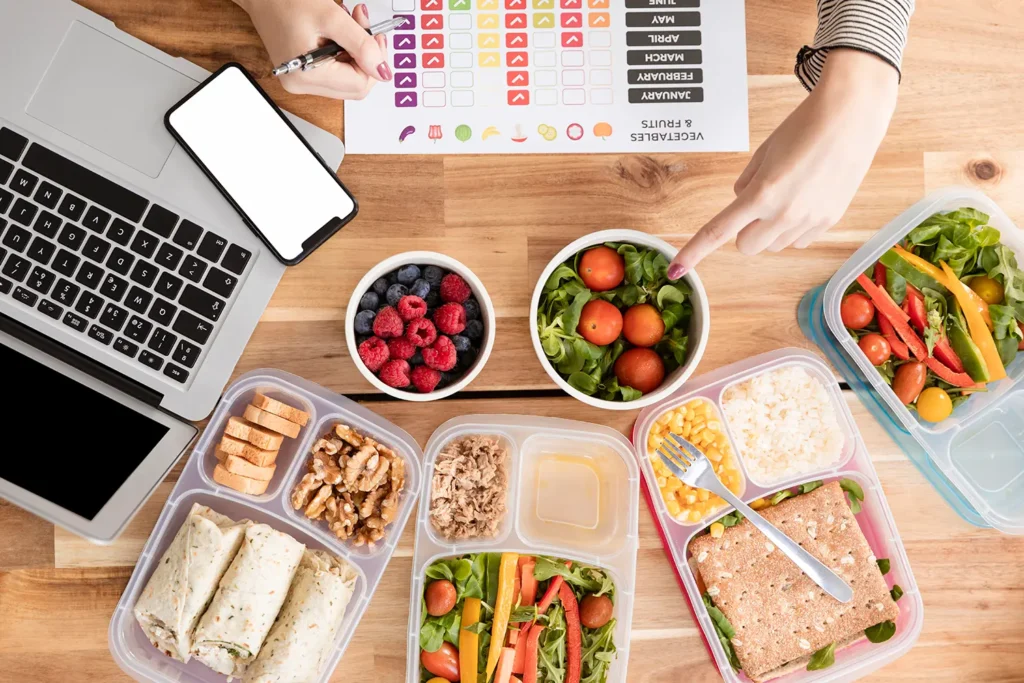
Planning meals means thinking about what you will eat ahead of time and trying to save money on ingredients and other expenses. Of deciding what to cook each day you make a schedule for the week or month based on your budget the ingredients you have and what you need to eat to stay healthy.
This way you only buy the groceries you need you do not buy things on impulse. You use ingredients more efficiently. Planning meals also helps you avoid ordering takeout or eating at restaurants, which can add up quickly and increase your food expenses.
Why Planning Cheap Meals Is Important
Food is one of the expenses for many families. If you do not have a plan you might end up spending much money on groceries and throwing away food that goes bad. Planning meals helps you take control of your grocery budget and make healthier food choices.
When you plan your meals you also save time because you already know what you are going to cook each day. This reduces stress makes grocery shopping easier and helps you avoid making trips to the store where you might buy things you do not need.
Planning meals also helps you reach your financial goals by saving you money that you can use to pay off debt build up your savings or do other important things.
Benefits of Planning Cheap Meals
One of the things about planning cheap meals is that it can save you a lot of money. If you plan your meals around sales, ingredients that’re in season and affordable ingredients you can lower your grocery bills significantly.
Another good thing about planning meals is that it reduces food waste. A lot of households throw away food because it goes bad before they can use it. When you plan your meals you make sure that you use ingredients efficiently which saves you money and helps the environment.
Planning meals also helps you develop healthier eating habits. When you cook at home you have control over what you eat how much you eat and what nutrients you get. Families who plan their meals often eat vegetables, whole grains and home-cooked meals.
Set a Budget for Groceries
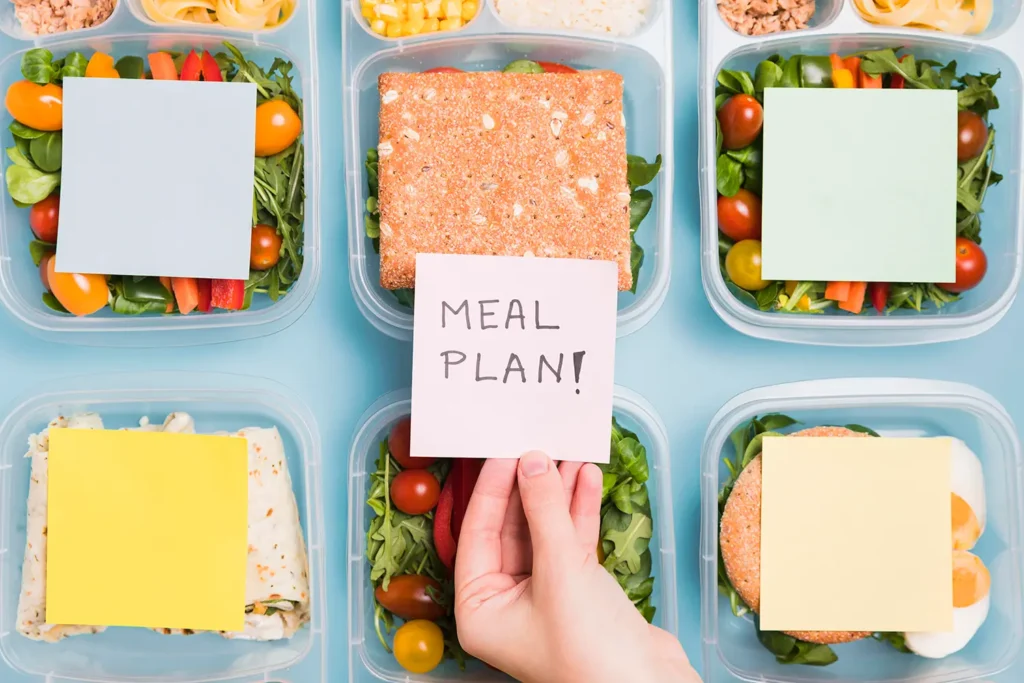
Before you start planning your meals you need to figure out how money you can spend on groceries each week or month. Having a budget helps you make smart purchasing decisions and avoid spending too much money.
Look at your grocery receipts to get an idea of how much you usually spend and see where you can cut back. Having a budget is the key to successful meal planning.
Check What You Already Have
Before you make a list of groceries to buy take a look at what you have in your pantry, fridge and freezer. A lot of households already have ingredients that they can use to make meals.
Using what you already have before buying more helps reduce waste. Saves you money. It also prevents you from buying things you already have.
Plan Meals Around Sales
One of the ways to plan cheap meals is to build your weekly menu around what is on sale at the grocery store. Check the ads before you go shopping and choose meals based on what is discounted.
If chicken, rice or vegetables are on sale try to use those ingredients in meals. Shopping based on what’s on sale instead of just buying whatever you want can save you a lot of money over time.
Choose Ingredients
Using affordable ingredients is the key to planning cheap meals. Some of the affordable foods include rice, pasta, oats, beans, lentils, potatoes, eggs, frozen vegetables, canned tomatoes, peanut butter and fruits that are in season.
These ingredients are versatile, nutritious. Can be used in a lot of different recipes. Combining staples with proteins that are on sale can help you make balanced and affordable meals.
Buy in Bulk When It Makes Sense
Buying things in bulk can save you money in the long run. Products like rice, flour, oats, beans, pasta and frozen vegetables are often cheaper when you buy them in quantities.
However only buy things in bulk if you know you will use them before they go bad. Buying much food that you cannot use before it expires is not a good way to save money.
Cook Big Meals
Making meals allows you to have leftovers for lunch or dinner later in the week. Cooking in bulk saves you time and energy.
Meals like soup, chili, casseroles, pasta dishes and rice bowls freeze well. Are great, for busy days. Cooking one meal and eating it times is one of the best ways to save money.
Create a Weekly Meal Schedule
I think having a meal calendar is a great idea. It helps me avoid deciding what to eat every day. Saves me from buying expensive takeout.
For example:
- Monday: I like to have Vegetable stir-fry with rice
- Tuesday: Chicken pasta is my favorite
- Wednesday: I make Bean soup
- Thursday: Baked potatoes with vegetables are delicious
- Friday: I love making Homemade pizza
- Saturday: Rice and chicken bowls are easy to make
- Sunday: I use Sunday for Leftover meal night
Having a schedule like this keeps my grocery shopping organized. I do not waste as much food.
Use Seasonal Produce
When I buy fruits and vegetables that are in season they are often cheaper.. They usually taste better and are of better quality.
If I see that some fruits or vegetables are on sale I buy extra. Freeze them for later. This way I can use them in meals.
Reduce Food Waste
I think wasting food is a problem because it costs me a lot of money. If I plan my meals and store my food properly I can use everything I buy.
I like to add Vegetables to soups use leftover chicken to make sandwiches or salads and turn cooked rice into fried rice. This way I can use everything I buy and save money.
Prepare Meals at Home
I have noticed that eating out is very expensive. When I cook at home I can control what I eat and how much I spend.
Even simple meals that I make at home are often cheaper than eating out. If I cook at home every day I can save a lot of money over time.
Make a Grocery List and Stick to It
I used to spend a lot of money on groceries because I would buy things that I did not need. Now I make a list of what I need to buy. I stick to it.
Before I go shopping I plan out my meals. Write down what I need to buy. I only buy what is on my list unless I see something that’s on sale and I know I will use it.
Affordable Breakfast Ideas
I do not think that breakfast has to be expensive. There are a lot of healthy options like Oatmeal, eggs, yogurt, smoothies, peanut butter toast and homemade muffins.
If I make my breakfast at home I can also save money on coffee. Breakfast from restaurants.
Budget-Friendly Lunch Ideas
I do not think that lunch has to be expensive. I like to use leftovers from dinner make sandwiches pasta salads, rice bowls and homemade soups.
If I pack my lunch of buying it I can save a lot of money every month.
Cheap Dinner Ideas
I have found that I can make a lot of healthy dinners without spending a lot of money. Some of my cheap meals are Vegetable stir-fries, bean chili, baked potatoes, spaghetti, chicken and rice lentil soup, homemade tacos and vegetable casseroles.
These meals are all made with ingredients and they are good for me and my family.
Healthy Snacks on a Budget
I used to spend a lot of money on snacks. Now I buy them in bulk and portion them out at home.
Some of my cheap snacks are popcorn, apples, bananas, carrots, homemade trail mix, boiled eggs, yogurt and peanut butter with crackers.
Common Meal Planning Mistakes
I have made some mistakes when it comes to meal planning. Sometimes I plan meals that’re too complicated and I end up wasting ingredients.
Another mistake I make is not checking what I already have at home before I go shopping. This means that I sometimes buy things that I already have which’s a waste of money.
I also used to ignore my leftovers, which’s a big mistake. Using leftovers can save me time and money.
Long-Term Benefits of Cheap Meal Planning
I think that meal planning is a way to save money and eat healthy. It also helps me to be less stressed and to manage my time better.
The money I save on groceries can be used for things like saving for emergencies or paying off debt. Over time meal planning has become a habit that helps me to be more financially stable and to live a lifestyle.
Conclusion
I think that cheap meal planning is a way to save money on groceries without sacrificing quality or nutrition. By planning my meals making a grocery list using ingredients reducing food waste and cooking, at home I can save money and eat healthy.
Whether I am planning meals for myself or my family I know that meal planning is a way to save money and to live a healthier lifestyle. With a bit of planning and organization I can make meal planning a part of my daily routine and achieve my financial goals.