
Introduction
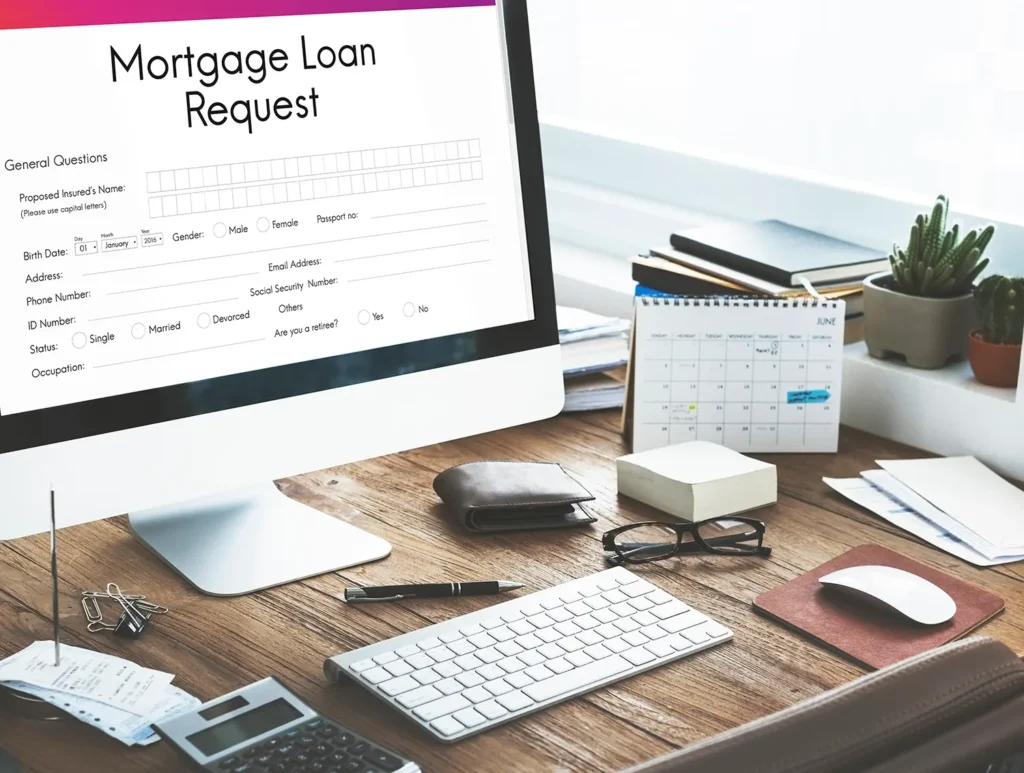
Learn everything about mortgage refinancing in this complete 2026 guide. Discover how refinancing works, its benefits, loan requirements, closing costs, refinancing options, and expert tips to lower your monthly mortgage payments and save money over the life of your loan.
For people who own homes a mortgage is one of the biggest financial commitments they will ever make. When interest rates go up or down and their financial situation gets better refinancing a mortgage can be a way to lower monthly payments pay less interest or achieve other financial goals.. Refinancing is not always the best choice for everyone. Knowing how mortgage refinancing works helps people who own homes make decisions and figure out if refinancing is right for their long-term financial plans.
This guide to Mortgage Refinancing explains how refinancing works, the kinds of refinance loans the good things about refinancing the bad things, what you need to qualify and some helpful tips for choosing the best refinancing option. Whether you want to pay less each month pay off your loan sooner or use some of the value in your home learning about refinancing can help you make decisions about your money.
What Is Mortgage Refinancing?
Mortgage refinancing is when you replace your home loan with a new mortgage. The new loan pays off your mortgage and then you start making payments on the new loan.
People refinance their homes for a lot of reasons. Some people refinance to get an interest rate while others refinance to change how long their loan lasts switch from a mortgage with a rate that can change to one with a fixed rate or get some of the value out of their home.
Refinancing does not make your mortgage go away. Instead it replaces your loan with a new one that might be better for your current financial situation.
How Mortgage Refinancing Works
When you refinance the lender looks at your information checks your income looks at your credit history and figures out how much your home is worth now. If they say yes the new mortgage pays off your loan. Then you start making payments based on the new loan.
Depending on why you’re refinancing your monthly payment, interest rate how long your loan lasts or how much you pay in total might change.
Why People Who Own Homes Choose to Refinance
A lot of people refinance because their financial situation has gotten better since they bought their home. Others refinance when interest rates go down or when they want to be able to plan their payments with a fixed-rate mortgage.
Common Reasons to Refinance a Mortgage
Every person who owns a home has financial goals. Knowing why you want to refinance helps you figure out if refinancing is the decision.
Some people want to pay less each month while others want to pay interest overall or pay off their mortgage sooner.
Lower Monthly Mortgage Payments
One of the common reasons to refinance is to pay less each month. If interest rates are lower than they were when you got your mortgage refinancing might lower your monthly payment and help your household budget.
Paying less each month can also give you money to save put into retirement use for emergencies or spend on other things that are important, to you.

Improve Cash Flow
Paying less for your mortgage can give you more freedom with your money. People who own homes often use the money they save to pay off debt invest or get ready for things they will need to pay for in the future.
Reduce Your Interest Rate
The interest rate on your mortgage is a deal. It can make a difference in how much you pay over the life of the loan. If you can get an interest rate you can save a lot of money.
Refinancing your mortgage when interest rates go down can really help. You can lower your payments and pay less interest overall.
Compare Multiple Lenders
Different lenders offer interest rates. So it is an idea to shop around and compare loan offers. This way you can find the rate and the lowest closing costs.
Consider the Long-Term Savings
Do not just think about your payments. You need to calculate how interest you will pay over the life of the loan. This will help you figure out if refinancing is an idea for you.
Change Your Loan Term
When you refinance your mortgage you can also change how long you have to pay it back.Some people choose a loan term so they can pay off their mortgage faster and pay less interest. Others choose a loan term so they can lower their monthly payments and have more money in their pocket.
Shorter Loan Terms
If you choose a loan term your monthly payments will be higher.. You will pay less interest overall. If you have an income this might be a good option for you. You can pay off your mortgage faster. Be debt-free sooner.
Longer Loan Terms
If you choose a loan term your monthly payments will be lower. This can make it easier to afford your mortgage in the term.. Keep in mind that you will pay more interest over the life of the loan.
Switch from an Adjustable-Rate Mortgage to a Fixed-Rate Mortgage
Some people refinance their mortgage to get an interest rate. They might have an adjustable-rate mortgage, which can change over time.A fixed-rate mortgage is an idea because your monthly payments will always be the same. You do not have to worry about your interest rate going up.
Benefits of a Fixed Interest Rate
With a fixed interest rate you can budget your money easily. You know how much you will pay each month.. You do not have to worry about your interest rate going up in the future.
Consider Your Long-Term Plans
If you plan to stay in your home for a time a fixed-rate mortgage might be a good idea. It can give you peace of mind. Help you budget your money.
Cash-Out Mortgage Refinancing
You can also refinance your mortgage to get some cash. This is called a cash-out refinance. You can borrow more than you owe on your mortgage. Get the difference, in cash.
People use cash-out refinancing to pay for expenses like home improvements or college tuition. They might also use it to pay off high-interest debt.
Use Home Equity Responsibly
If you do a cash-out refinance you need to be careful. You will owe more on your mortgage so you need to make sure you can afford the payments. Only borrow what you need and make sure you can pay it back.
Understand the Risks
When you use your home equity you are taking a risk. If you miss payments you could lose your home. So you need to be careful and make sure you can afford your mortgage payments.
Types of Mortgage Refinancing
Mortgage refinancing is not something that works for everyone in the way. There are refinancing options and they are designed to meet different financial goals that people have. When you understand what options are available you can pick the one that’s best for your needs as a homeowner.
Whether you want to get an interest rate on your Mortgage Refinancing make your loan term shorter or get some money from the equity in your home choosing the right Mortgage Refinancing option is a big financial decision that you have to make.
Rate-and-Term Refinance
A Rate-and-Term Refinance is one of the common Mortgage Refinancing options that people use. This type of Mortgage Refinancing changes the interest rate on your loan the term of your loan or both without letting you borrow money from the equity in your home.
A lot of homeowners choose this option when the interest rates in the market are lower than the rate on their Mortgage Refinancing. When you get an interest rate you might pay less money each month and you will pay less interest over the life of the loan.
When Is It a Good Choice?
A Rate-and-Term Refinance might be an option for you if you want to pay less money each month pay off your Mortgage Refinancing sooner or switch from a Mortgage Refinancing with an interest rate that can change to one with a fixed interest rate.
Cash-Out Refinance
A Cash-Out Refinance is when you replace your Mortgage Refinancing with a new loan that is bigger and you get to keep the difference as cash. The amount of money you can borrow depends on how equity you have in your home and what your lender says you can do.
Many homeowners use Cash-Out Refinancing to pay for things like fixing up their home paying off debt paying for education or taking care of big financial needs they have.
Borrow Responsibly
Even though it can be helpful to use the equity in your home you have to remember that the extra money you borrow becomes part of your Mortgage Refinancing balance. You should only borrow what you can afford to pay back.
Cash-In Refinance
A Cash-In Refinance is when you make a payment towards your Mortgage Refinancing when you refinance. This reduces the amount of money you owe on your loan. Might help you get a lower interest rate or avoid some loan costs.
Some borrowers choose this option when they have some extra money saved up so they can make their financial situation better.
Benefits of a Cash-In Refinance
When you reduce the amount of money you owe on your loan you might pay money each month pay less interest over time and make your loan more affordable.
Mortgage Refinancing Requirements
Before a lender says yes to your Mortgage Refinancing application they will look closely at your financial situation. If you meet the lenders requirements you will have a chance of getting approved and you might even get better loan terms.
Even though the requirements are different from one lender to another there are some things that lenders usually consider when they are deciding whether to approve your application.
Credit Score
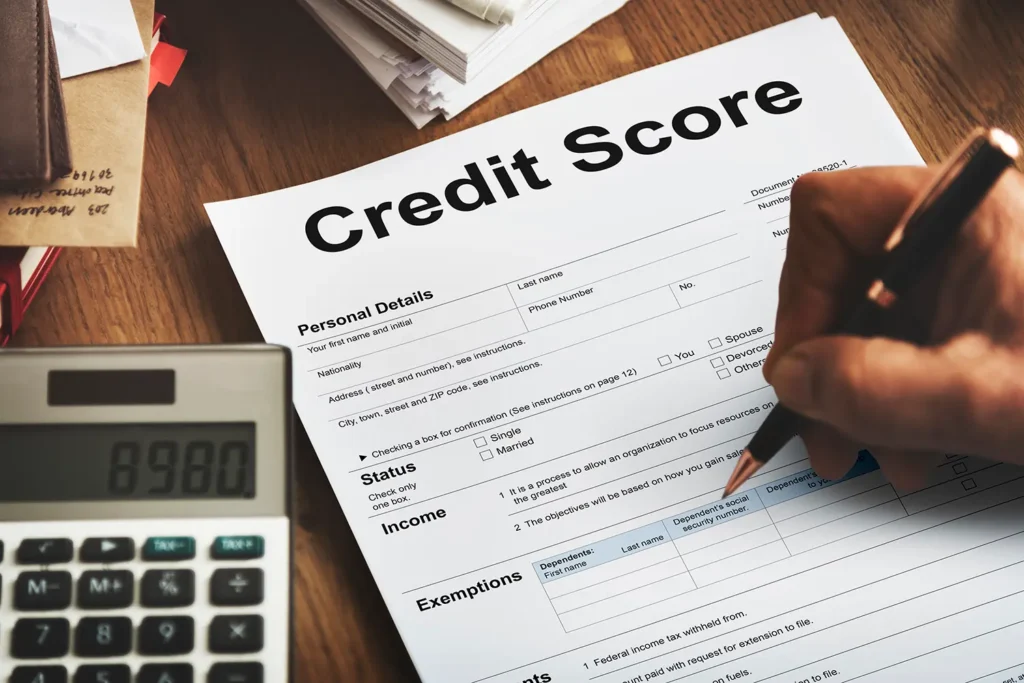
Your Credit Score is one of the important things that lenders look at. If you have a Credit Score you will probably get a lower interest rate and better loan terms.
If your Credit Score has gotten better since you first got your Mortgage Refinancing refinancing might be a way to get better financial deals.
Improve Your Credit Before Applying
You should pay your bills on time reduce the amount of debt you owe avoid opening credit accounts that you do not need and check your credit report for mistakes before you apply for Mortgage Refinancing.
Stable Income and Employment
Lenders want to know that you have an income and can make your monthly Mortgage Refinancing payments. They might ask for proof of your employment your pay stubs, tax returns and bank statements.
If you have been working at the job for a long time it helps to show that you are financially stable and it makes your Mortgage Refinancing application stronger.
Keep Financial Documents Organized
If you get your records in order before you apply for Mortgage Refinancing it will help the process go faster and reduce delays if the lender needs more documents from you.
Home Equity
Home Equity is the difference between what your home’s worth now and how much you still owe on your Mortgage Refinancing. Many Mortgage Refinancing programs require you to have equity in your home before they will approve your application.
As your home becomes more valuable and you pay down your Mortgage Refinancing you will have equity in your home over time.
Why Home Equity Matters
If you have a lot of equity in your home you will have options for Mortgage Refinancing you might get a lower interest rate and you will have more opportunities to borrow money if you need to.
Increase Equity Naturally
Making your Mortgage Refinancing payments on time and keeping your home in good condition are two of the best ways to build equity in your home.
Home Appraisal
Most of the time when you apply for Mortgage Refinancing you will need to get a professional to appraise your home. The appraisal will tell you what your home is worth now which helps lenders figure out how risk they are taking and how much equity you have.
If your home is worth more you might have options, for Mortgage Refinancing.
Preparing for a Mortgage Appraisal
Before the mortgage appraisal you should clean your house fix any problems and make sure the property is in good shape. The way your house looks does not totally decide its value. A well taken care of house makes a good impression.
Understanding the Mortgage Appraisal Report
If the appraisal value is less than you thought it would be you might have options to refinance your mortgage. You should read the report carefully to understand how they decided the value of your property.
Mortgage Refinancing Costs
When you refinance your mortgage you usually have to pay some costs like when you bought your house. These costs can include fees from the lender, appraisal fees, title services, legal fees and other administrative costs.
You should understand these costs so you can decide if refinancing your mortgage will really save you money.
Calculate the Break- Point for Your Mortgage Refinancing
Before you refinance your mortgage you should figure out how long it will take for the money you save each month to pay for the cost of refinancing your mortgage. This is called the break- point.
If you plan to move before you reach the break- point refinancing your mortgage might not be a good idea.
Get a Loan Estimate for Your Mortgage Refinancing
You should ask each lender for an estimate of the loan costs. This will help you compare the costs and choose the mortgage refinancing option that’s best for you.
Benefits of Mortgage Refinancing
Mortgage refinancing can have benefits depending on what you want to achieve with your finances.Some people refinance their mortgage to lower their payments get a lower interest rate shorten the loan term make budgeting easier or consolidate debt with a cash-out refinance.
More Money in Your Pocket
If your monthly mortgage payments are lower you will have money to save for retirement, emergency funds, education or other important financial goals.
Save Money in the Long Run
a small reduction in the interest rate can save you thousands of dollars over the life of your mortgage.
Drawbacks of Mortgage Refinancing
While mortgage refinancing can be beneficial it is not always the decision.
You should consider the costs of refinancing the loan term and the additional borrowing costs before you make a decision.
Do Not Refinance Your Mortgage Often
If you refinance your mortgage too many times you might end up paying more in total borrowing costs and it will take you longer to pay off your mortgage. Mortgage refinancing should help you achieve your term financial goals, not just provide short-term benefits.
Think About Your Financial Goals
Before you refinance your mortgage you should ask yourself why you want to do it and if the savings will be worth the costs.
Choose the Right Mortgage Lender
Picking the lender is just as important, as choosing the right mortgage refinancing program.You should compare interest rates, loan fees, customer service, online reviews and available loan options before making a decision.
Ask the Right Questions
Before you sign any agreement you should ask about:
- Interest rates
- Closing costs
- Loan terms
- payments
- Processing time
- Prepayment penalties (if applicable)
Read All the Documents Carefully
You should never sign the mortgage refinancing documents until you fully understand the loan terms and what you have to pay back.
When Should You Refinance Your Mortgage?
Refinancing your mortgage is an idea when it helps you achieve a specific financial goal. Lower interest rates are one reason to refinance your mortgage. They are not the only thing to consider. Your current mortgage balance, budget, long-term plans and closing costs all play a big role in determining whether refinancing your mortgage makes sense for you and your mortgage.
Before you apply for a refinance compare your mortgage with other loan options that are available. This helps ensure that refinancing your mortgage improves your situation rather than creating unnecessary costs for you and your mortgage.
Signs That Refinancing Your Mortgage May Be a Good Idea
You may want to consider refinancing your mortgage if:
- Interest rates are lower than your mortgage rate on your mortgage.
- Your credit score has improved since you got your loan for your mortgage.
- You want to reduce your mortgage payment on your mortgage.
- You plan to stay in your home for more years with your mortgage.
- You want to switch from an adjustable-rate mortgage to a fixed-rate mortgage on your mortgage.
- You need to access home equity for a financial purpose related to your mortgage.
Evaluate Your Long-Term Savings
Before you refinance your mortgage calculate how much you could save over the life of the loan on your mortgage. Even if your monthly payment decreases closing costs may reduce the financial benefit if you plan to sell your home soon and pay off your mortgage.
When Refinancing Your Mortgage May Not Be the Best Choice
Refinancing your mortgage is not always the financial decision for you and your mortgage. In some situations the costs may outweigh the benefits of refinancing your mortgage.
For example if you plan to move within the few years you may not stay in the home long enough to recover the refinancing costs of refinancing your mortgage. Similarly if your current interest rate is already competitive refinancing your mortgage may produce minimal savings on your mortgage.
Consider All Costs
Review every fee associated with refinancing your mortgage including appraisal fees, lender fees, title costs and other closing expenses for your mortgage. Compare these costs with your expected savings before making a decision about refinancing your mortgage.
Avoid Extending Your Mortgage Loan
While extending your mortgage term can lower monthly payments on your mortgage it may also increase the total interest you pay over the life of the loan on your mortgage. Always consider both short-term affordability and long-term costs of your mortgage when refinancing your mortgage.
Common Mortgage Refinancing Mistakes
Many homeowners refinance their mortgage without understanding the financial impact on their mortgage. Avoiding mistakes can help you make a smarter decision about refinancing your mortgage.
One mistake is focusing on the monthly payment instead of the total loan cost of your mortgage. A lower payment may seem attractive. Extending the loan term could result in paying more interest overall on your mortgage.
Another mistake is accepting the loan offer without comparing multiple lenders for your mortgage. Interest rates, fees and loan terms vary, so shopping around may save an amount of money on your mortgage.
Ignoring Closing Costs
Closing costs are a part of refinancing your mortgage. Always calculate how long it will take to recover these expenses through savings before proceeding with refinancing your mortgage.
Borrow What You Need
If you choose a cash-out refinance avoid borrowing more than necessary for your mortgage. Increasing your mortgage balance means you will repay more over time on your mortgage.
Tips for a Successful Mortgage Refinance
Preparing before applying can improve your chances of receiving loan terms for your mortgage.Start by reviewing your credit report and correcting any errors. Pay down debt avoid opening new credit accounts and gather all necessary financial documents before contacting lenders about your mortgage.
Compare Multiple Lenders for your mortgage
Request loan estimates from lenders and compare interest rates, fees, customer service and repayment terms for your mortgage. Choosing the interest rate alone may not always provide the best overall value for your mortgage.
Stay Financially Stable During the Process
Avoid changing jobs taking on debt or making large purchases while your refinance application is under review for your mortgage. Stable finances help support your approval, for refinancing your mortgage.
Before You Refinance Your Mortgage
You should always look over every document very carefully before you sign anything. If you do not understand something you should ask questions. Compare the cost of the new mortgage with your current loan. Do not just look at the payment.
You should have some money set aside after you refinance your mortgage. This way if something unexpected happens, like a home repair you will still be able to make your mortgage payments.
Think About More Than Just The Interest Rate
The interest rate is important. It is not the only thing you should think about. You should also consider the fees for the loan how long you have to pay back the loan, what other people think of the lender and what your financial plans are for the term.
Make Decisions Based On What You Want To Achieve With Your Money
Every persons situation is unique. You should choose a refinancing plan that helps you achieve your financial goals. Do not just do what everyone else is doing.

Conclusion
Refinancing Your Mortgage can be a way to lower your monthly payments get a lower interest rate change how long you have to pay back the loan or use some of the money you have in your home.. You should always think very carefully before you refinance. You need to understand the good and the bad things, about refinancing.
Before you refinance you should look at different lenders figure out how long it will take to save money look at the costs of closing the loan and think about what you want to achieve with your money in the long term. If you can improve your credit score keep your finances stable and pick the loan you can get the most out of refinancing and avoid making mistakes. With some thought and planning refinancing your mortgage can be a way to make your financial future better and manage your home loan more effectively.