
Introduction
Learn how to protect yourself from identity theft Protection Guide with this complete guide covering credit freezes, fraud alerts, passwords, data breaches, credit reports, scams, account security, and identity theft recovery.
Identity theft is when someone uses your financial information without asking you. This can happen when a thief uses your stolen information to open credit accounts buy things get into your financial accounts get medical help or do other bad things.
If you use banking, credit cards, mobile apps, social media or other digital services you should have a good plan to protect yourself from identity theft.
The Federal Trade Commission says that identity thieves can misuse your name, address, credit card or bank account numbers Social Security number or medical insurance information.
The good thing is that you can do things to reduce your risk of identity theft. Using passwords, two-factor authentication checking your credit being careful with your personal information freezing your credit setting up fraud alerts and checking your accounts regularly can all help protect you from identity theft.
What Is Identity Theft?
Identity theft happens when someone uses your information without asking you. They can use this information to do things like open new credit cards get loans use your bank account get medical help or use your name for something else that is not allowed.
Your information can be exposed in ways like when there is a data breach, a phishing scam, a stolen document, a compromised account or another security problem.Sometimes identity theft does not start with something. It can start with something like when someone gets your information from a data breach or a phishing scam.
Common Types of Identity Theft
Identity theft can happen in ways.
One type is identity theft, which is when someone uses your information to get credit buy things or get into your financial accounts.Another type is tax identity theft, which’s when someone uses your information to file a fake tax return.There is also identity theft, which is when someone uses your information to get medical help or make fake medical records.There is criminal identity theft, which is when someone gives your information to the police when they get in trouble.Because there are types of identity theft you need to do more than just check your credit score to protect yourself.
Protect Your Social Security Number
Your Social Security number is very important and sensitive. Do not give it out unless you have to. Only if the organization really needs it.When someone asks for your Social Security number ask them why they need it and how they will keep it safe.Do not carry your Social Security card with you. Keep it in a place instead.Do not send your Social Security number in a regular email or unsecured message unless you are sure it is safe.
Be Careful With Personal Information
Identity thieves can use information to learn more about you.Your name, birthdate, address, phone number, account information and other details can be useful to them if they get them.Be careful what you share on media.Do not post things that could help someone answer security questions or pretend to be you.
Use Strong and Unique Passwords
If you use weak or the passwords for many accounts it is easier for bad people to get into them.Use a strong password for important accounts like email, banking, credit cards and investments.You can use a password manager to help you remember all your passwords.Do not use things, like your birthday, name, kids names or common phrases for your passwords. Use things that’re hard to guess instead.
Turn On Two-Factor Authentication
Two-factor authentication, called 2FA gives extra security.
When it is turned on signing in might need both your password and another way to check who you are, like a code or a special app.Even if someone gets your password they might not be able to get into your account without the way to check.Make sure to use two-factor authentication for email, banking, other important accounts.
Protect Your Email Account
Your email account is very important because it can be linked to other accounts.If someone gets into your email they might be able to ask for passwords for financial or shopping accounts.Use an different password and turn on two-factor authentication.Check your recovery options from time to time. Make sure your phone number and email address are correct.Also look out for messages about password changes or logins that you did not start.
Learn to Recognize Phishing Scams
Phishing is one of the common ways that bad people try to get your important information.
A phishing message might look like it comes from a bank, a credit card company, a delivery service, a government group, an employer or another group you trust.The message might say there is a problem and ask you to click a link give a password check your identity or pay money.
Never Let Urgency Make the DecisionScammers often try to make you feel like you must act away.A message might say your account will be closed or that you need to confirm something in a minutes.Of clicking the link go directly to the official website of the group or use the phone number on your statement or card.Do not use any phone numbers or emails from the message that seems suspicious.
Protect Your Bank and Credit Card Accounts
Check your bank and credit card accounts
Look for charges that you do not remember, even if they are small.A small charge that you do not know about might mean someone is testing if the account is active.Set up alerts when possible. Notifications for purchases, withdrawals, transfers, password changes and logins can help you spot activity early.If you see something not yours call your bank quickly.
Check Your Credit Reports
Looking at your credit reports regularly can help you find accounts or activity that you do not know about.The FTC says to check credit reports for accounts you did not make and other signs of identity theft.For people in the U.S. free credit reports are available at AnnualCreditReport.com.
AnnualCreditReport.com
When looking at your reports check for:
Credit cards you did not apply for
Loans you did not take
hard inquiries
Wrong personal details
Unknown collection accounts
Addresses you do not know
If you find anything look into it right away.
Consider a Credit Freeze
A credit freeze is one of the ways to stop someone from opening new credit accounts in your name.When a freeze is active companies usually cannot see your credit report when someone tries to open an account unless you take the freeze off.The FTC says credit freezes are free to start and remove do not change your credit score and stay until you take them off.
How to Freeze Your Credit
You need to ask each of the three credit companies to freeze your credit.
Equifax
Experian
TransUnion
Equifax
Experian
TransUnion
A freeze does not stop you from using your credit cards or loans. If you want to apply for credit later you can take the freeze off for a while.
Credit Freeze vs. Fraud Alert
A credit freeze and a fraud alert are not the same.A credit freeze stops companies from seeing your credit report for accounts.A fraud alert tells companies to check your identity carefully before opening new accounts.The FTC says a first fraud alert is free and lasts one year. You only need to tell one credit company. They must tell the others.
Which One Should You Choose?
The best choice depends on what you need.If you want protection against new accounts being made in your name a credit freeze can be a good choice.If you think your identity was stolen and want companies to check carefully a fraud alert can also work.Sometimes people use both.
Protect Yourself After a Data Breach
A data breach does not mean someone stole your identity. It might make it more likely if important information was shared.If you get a data breach message read what details were involved.The FTC says to check your credit reports look for accounts you did not make and think about a credit freeze or fraud alert if needed.
Take Advantage of Free Protection
Sometimes a company that had a data breach offers help with credit monitoring or identity theft.If you get such an offer read the details carefully. Know what is being watched and for how long.Do not think every offer is real. Check the message through the companys website not by clicking a link you did not expect.
Shred Sensitive Documents
Protecting your identity is not just online.Paper documents can also have details.Before you throw away bank statements, credit card offers, insurance papers, old financial records or other important papers think about shredding them.The FTC says to protect papers that have your info and to throw them away safely.
Protect Your Mail
If you can take your mail.If you move, update your address with banks, government groups, insurance companies and other groups that send info.Not getting a bill can sometimes be a sign that someone changed your address.
Be Careful on Public Wi-Fi
Public Wi-Fi is easy to use. You should be careful when using it for important accounts.Do not enter banking or other important details on unknown networks unless you are sure they are safe.Use your phone or a trusted network for financial work.Also make sure your devices system, browser and security tools are up, to date.
Protect Your Smartphone
Your smartphone has a lot of information on it like your email accounts, banking apps and saved passwords. It also has photos of your documents and other private things.
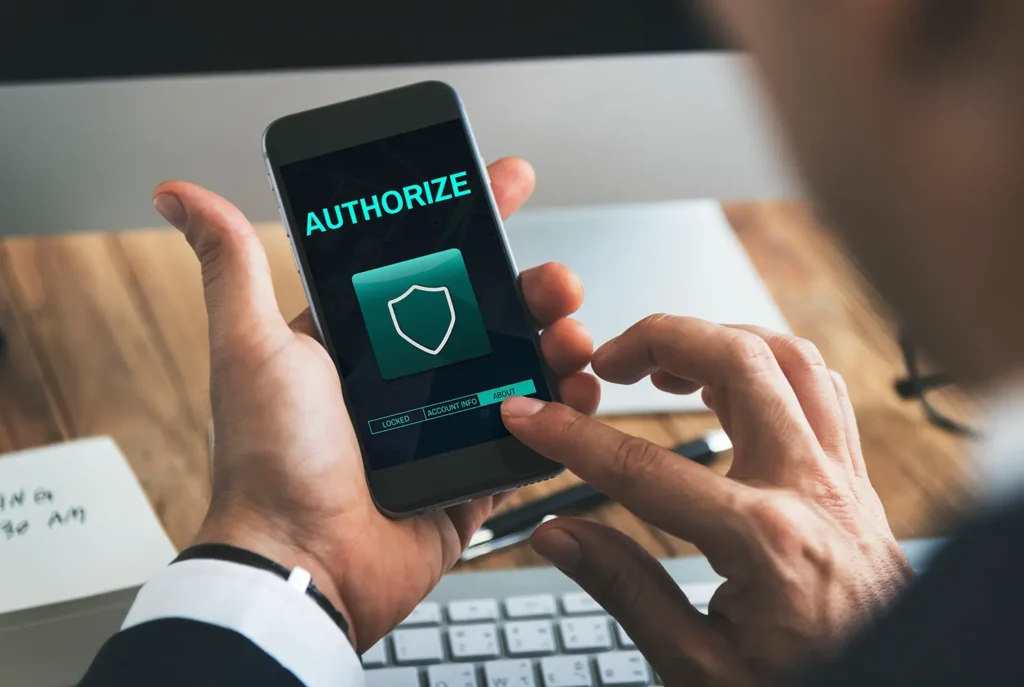
You should use a lock on your phones screen and turn on biometric authentication when you can. Make sure your phones software is always up to date.
Do not leave your phone alone in places.If your phone is lost or stolen you should call your phone company. Use the features that help you find your phone or lock it from far away.
Be Careful With Social Media
media can tell people a lot about you even if you do not want it to.You should not share your birthday, home address, phone number or travel plans on media. These are things that bad people can use to hurt you.You should check your privacy settings on media a lot to make sure they are how you want them to be.Remember that even if you delete something from media it can still be seen by some people.
Monitor Your Medical Information
Bad people can also steal your identity.You should check your bills and insurance papers to make sure they are right.If you get a bill for a doctors visit you did not have you should look into it.The Federal Trade Commission says that medical identity theft is a kind of identity theft and they can help you if it happens to you.
Protect Your Tax Information
If someone steals your tax information it can cause you a lot of problems.Bad people might try to use your information to file tax returns.You should keep your tax papers safe. Not share your tax information with just anyone.If you get a notice from the tax office that you were not expecting you should look into it away and follow what the government says to do.
Protect Childrens Identity
Kids can also have their identities stolen.In the United States parents can ask for a credit freeze for their kids who’re under sixteen years old. The Federal Trade Commission says this can help keep people from opening new accounts in the kids name.
Parents should be careful about sharing their kids Social Security number, school information and medical information.
What to Do If Your Identity Is Stolen
If you think someone has stolen your identity you should act fast.First write down what happened.Then call the bank or credit card company. Tell them what is going on.If someone opened accounts in your name you should check your credit report and think about putting a freeze on your credit.
Report Identity Theft
If you live in the United States you can use the Federal Trade Commissions website, IdentityTheft.gov to get help.IdentityTheft.gov can make a plan just for you to help you fix the problems caused by identity theft.You might have to call your creditors argue with accounts fix your credit report and secure your accounts.
Keep Records
When you are dealing with identity theft it is very important to be organized.You should make a folder with copies of things like fake bills, credit reports and emails.You should also write down the date, time and name of the person you talk to when you call a company.Having records can make it easier to fix the problems.
Do You Need Identity Theft Protection Services?
Some companies sell services that can help you if your identity is stolen.These services can be helpful. You do not always need them.
The Federal Trade Commission says you should know what you are getting before you pay for one of these services.You can also protect yourself without paying for a service by getting credit reports using strong passwords and turning on two-factor authentication.
What Identity Theft Insurance Usually Covers
If you have identity theft insurance it might pay for things like copying documents mailing costs or legal fees if your identity is stolen.It will not give you back the money that was stolen from you.You should always read the policy carefully before you buy it.
A Simple Identity Protection Checklist
Here is a list of things you can do to protect your identity:
- Use unique passwords.
- Turn on two-factor authentication.
- Secure your email account.
- Check your bank and credit card statements.
- Check your credit report.
- Think about freezing your credit.
- Be careful with emails and texts you do not expect.
- Do not share information if you do not have to.
- Shred papers.
- Keep your smartphone safe.
- Check your insurance papers.
- Keep your tax papers safe.
- Check your kids credit report if you need to.
- Act fast if you see something
Final Thoughts
To protect your identity you should try to stop things from happening and also know what to do if something bad does happen.
You cannot control everything. You can make it harder for bad people to use your information.
Start with the basics: keep your Social Security number use strong passwords turn on two-factor authentication check your accounts and check your credit report.
If you think someone has stolen your identity do not wait. Secure your accounts check your credit report and report the identity theft.

Conclusion
Identity theft can hurt your credit, money, taxes, healthcare and private information. If you are careful you can protect yourself.
The best way to protect your identity is to have habits and use tools that can help you.
Use passwords, turn on two-factor authentication keep your Social Security number safe check your accounts and check your credit report. Be careful, with emails and messages you do not expect.If you see something act fast and keep good records. If you live in the United States you can use IdentityTheft.gov to get help.
Protecting your identity is something you have to do all the time not once. If you make protecting your identity a habit you can keep your information safe and fix problems faster if something goes wrong.
Read More about personal finance.Blog