
Last verified: October 2026. Rules come from the CFPB, the FCA and MoneyHelper, ASIC, AFCA and Moneysmart, and the European Commission. Regulation of BNPL has changed recently in the UK (15 July 2026) and Australia (10 June 2025) and is changing in the EU (20 November 2026), so check the linked pages before you rely on a detail.
Buy now, pay later (BNPL) lets you take a purchase home now and pay for it in instalments, usually with no interest, but it is credit, and missed payments can bring fees, bank charges and debt collection. In the US, the CFPB describes it as an installment loan, typically repaid in four or fewer payments. The rules that protect you depend on where you live: the UK began regulating most third-party BNPL on 15 July 2026, Australia has treated BNPL as regulated credit since 10 June 2025, and the EU’s new consumer credit directive applies from 20 November 2026. In the US, the CFPB withdrew its 2024 BNPL rule in May 2025.
Key takeaways
- BNPL is borrowing. It is credit even when the advertised interest rate is zero.
- The cost sits in the fees. The CFPB says most BNPL loans charge late fees, and Moneysmart says some Australian services charge account-keeping, payment processing or establishment fees.
- Several plans are hard to manage. Moneysmart and MoneyHelper both warn that multiple plans make it harder to track payment dates.
- Credit reporting varies. In the US most BNPL does not report on-time payments, but unpaid debts sent to collections can be reported. In Australia, applications and late payments can show on your credit report.
- Protections differ by country. UK third-party BNPL taken out on or after 15 July 2026 can have Section 75 refund protection. In the US, check the provider’s own dispute policy.
How buy now, pay later works
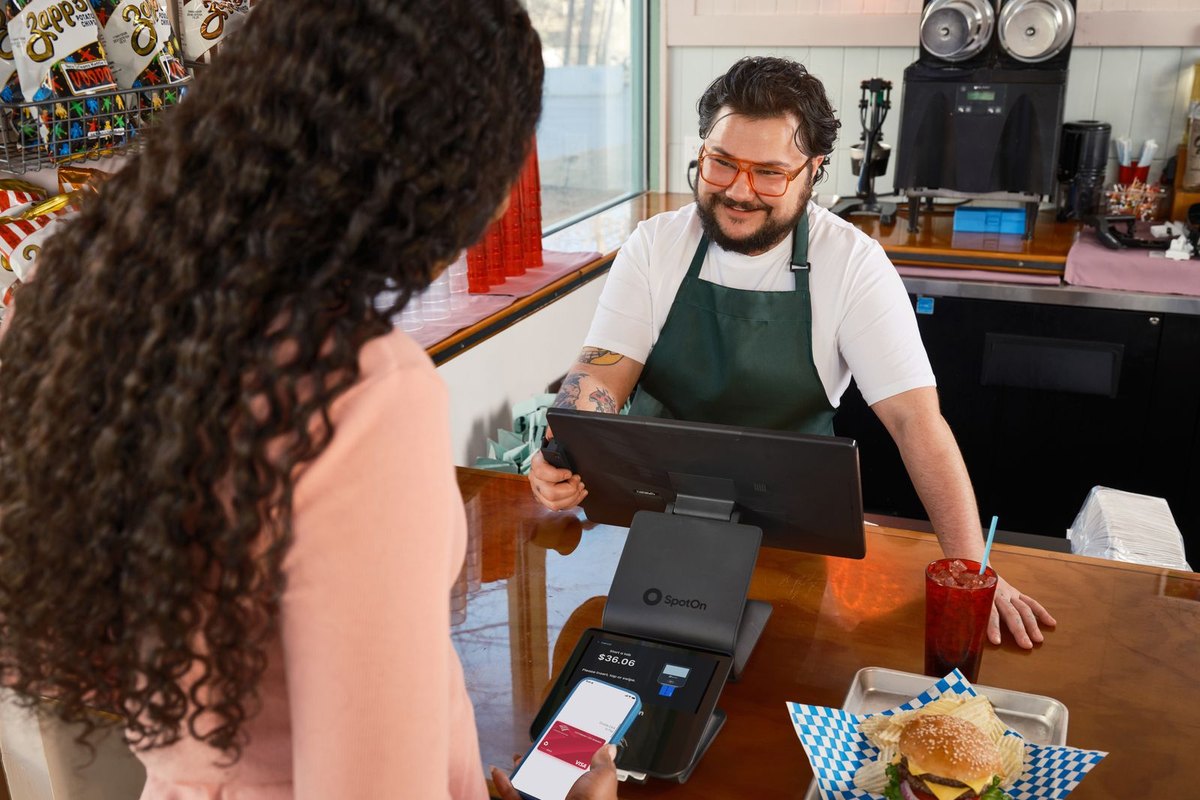
At checkout, online or in a store, you choose BNPL as the way to pay. The provider pays the retailer, and you repay the provider. The CFPB says one common plan splits the cost into four interest-free biweekly payments, and that the first payment may be due at checkout or two weeks later. The CFPB’s 2021 blog says most providers only ask that you are at least 18, have a mobile phone number, have a debit or credit card to pay with, and can verify your identity.
The CFPB notes that, unlike a credit card, each time you start a BNPL purchase your creditworthiness may be evaluated. Most BNPL loans do not need a hard credit inquiry, though larger, longer installment loans often do.
MoneyHelper in the UK describes two common repayment options: several equal payments, or one payment after a fixed interest-free period. Moneysmart adds that for bigger purchases in Australia, BNPL can take several years to repay.
What it really costs
Interest is often zero. The costs come from elsewhere:
- Late fees. The CFPB says most BNPL lenders charge them.
- Other fees. Moneysmart lists monthly account-keeping fees, payment processing fees and establishment fees. Some Australian arrangements must have fee caps, so check your contract.
- Bank fees. The CFPB warns that if you set up automatic repayment from a bank account and the money is not there, your bank may charge an overdraft or non-sufficient funds fee. Moneysmart says the same about overdrawn fees, and notes interest if you pay with a credit card.
- Blocked purchases and collections. The CFPB says you could be blocked from using the service until you catch up, and the account may be sent to a debt collector.
- UK escalation. MoneyHelper says that if a UK borrower misses a payment and does not respond, the loan can default, charges and interest can be added, and the lender may seek a County Court Judgment.
Worked example: three plans, one payday
Illustration only. Sam buys sneakers for $120, a jacket for $200 and headphones for $80 over a few days, each on a separate four-payment plan with biweekly instalments and the first payment at checkout. The instalments are $30, $50 and $20, so Sam owes $100 on each of four dates: day 0, day 14, day 28 and day 42. The total is $400, the same as the three prices.
The risk is not any single plan. It is that all three instalments land together, on top of rent, utilities and other bills. If Sam’s account runs short on day 14 and one $50 instalment fails, the consequences could include a late fee (we assume $8, which is 16% of the $50 instalment), a possible bank overdraft or non-sufficient funds charge, and the account being blocked from the next purchase. Fees vary by provider and bank. Those figures are assumptions for the example, not typical charges.
If you use BNPL at all, a budget that lists each instalment by date helps. Our guide to budgeting methods shows how to turn dated bills into a plan.
Credit scores and credit reports
The picture differs by country.
- United States. The CFPB says most BNPL lenders do not report payment history to the major credit reporting companies, so on-time repayment will not help your scores. However, if you do not repay and the debt goes to a collector, it could be reported and hurt your scores. Some loans do report, so check each provider’s policy.
- United Kingdom. MoneyHelper says missing a payment will negatively affect your credit score, and that the more often you use instalments, the more likely they are to appear on your credit file. It also explains that affordability checks may involve a soft search (not visible to lenders and with no effect on your score) or a hard search (which does affect your score).
- Australia. Moneysmart says each application triggers a credit check, and late or missed payments can be reported and reduce your score, which lenders consider when you later apply for a home or car loan.
It is also worth checking your reports from time to time. If you ever see an account you do not recognise, our identity theft guide explains what to do.
The rules by country
| Region | Status | Key point |
|---|---|---|
| US | 2024 CFPB rule withdrawn, May 2025 | Check provider terms |
| UK | FCA rules from 15 July 2026 | Affordability checks; Section 75 |
| Australia | Credit licence since 10 June 2025 | AFCA complaints; hardship |
| EU | New directive from 20 Nov 2026 | Creditworthiness checks |
United States
The CFPB’s 2024 BNPL interpretive rule would have applied credit-card-style requirements to some BNPL providers. On 12 May 2025 the CFPB withdrew it, so it no longer applies. In its 2021 consumer blog, the CFPB said BNPL loans at that time lacked the protections that apply to credit cards, including the same dispute protections for faulty or scam purchases, and warned that returns can be complicated and that you may still owe the full amount after returning an item. Check each provider’s terms for dispute, refund and return handling, and ask whether the provider reports to credit bureaus. State rules and provider policies may add further protections, so read the agreement.
United Kingdom
From 15 July 2026, the FCA regulates Deferred Payment Credit (DPC): interest-free credit repayable in 12 or fewer instalments over 12 months or less. It is regulated when the lender and the seller are different businesses, which covers third-party providers. DPC from the same business that sells you the goods is not regulated, and agreements taken before 15 July 2026 remain unregulated.
For regulated agreements, lenders must:
- Check you can afford to repay before lending
- Give you key information before you sign: the amount, repayment dates, repayment amounts, any late fee and your rights
- Contact you if you miss a payment and support you if you are struggling
You can complain to the Financial Ombudsman Service, and Section 75 of the Consumer Credit Act can apply. MoneyHelper says this covers items over £100 and up to £30,000 paid for with third-party BNPL taken out on or after 15 July 2026, but not retailer-run BNPL. You can check a lender on the FCA Firm Checker. Lenders on the temporary permissions regime can lend while their authorisation is processed.
Australia
Since 10 June 2025, BNPL providers must hold an Australian credit licence and be members of the Australian Financial Complaints Authority (AFCA). ASIC explains that BNPL contracts are now credit contracts under the National Credit Code. A new category called low cost credit contracts has modified responsible lending obligations, while BNPL contracts outside that category are regulated like other credit contracts. AFCA says providers must also consider financial hardship requests and credit reporting, and you can use AFCA for free dispute resolution if you cannot resolve a complaint with the provider directly.
European Union
Directive (EU) 2023/2225 on credit agreements for consumers will apply from 20 November 2026. The European Commission says it requires creditors to assess creditworthiness so that credit is granted only to consumers who are expected to repay, gives a 14-day right of withdrawal and the right to repay early, and requires standardised pre-contract information including an APR. Each member state turns the directive into national law, so check how your country applies it to BNPL products before you rely on a specific protection.
Before you use BNPL: five questions
| Question | Why it matters |
|---|---|
| What is the late fee? | Interest may be zero but fees apply |
| Does it report to credit bureaus? | Missed payments may be reported |
| Hard or soft credit check? | A hard check can affect your score |
| How are returns and disputes handled? | Protections differ by provider and country |
| Is the lender regulated? | Check the FCA Firm Checker or AFCA search |
If you decide to use it, the official guidance suggests a few habits. Moneysmart recommends setting a spending limit, using one service at a time, budgeting for payments alongside bills and loans, and considering linking to a debit card instead of a credit card so you are not paying credit card interest. MoneyHelper suggests setting up a Direct Debit or using a debit card for repayments. It also says to avoid BNPL if you are already in problem debt and to talk to your provider before a payment is missed. If you are weighing it for medical costs, see how to negotiate medical bills, since a provider may offer its own payment plan.
Common mistakes
- Treating it as free money. It is credit, and fees and bank charges can apply.
- Stacking plans. Several plans make due dates hard to track.
- Using automatic payments without enough in the account. Overdraft or non-sufficient funds fees can follow.
- Assuming it builds credit. In the US, most BNPL does not report on-time payments.
- Assuming card-style refund rights. Check dispute and return terms, and in the UK check whether the agreement qualifies for Section 75.
- Ignoring a missed payment. Contact the provider before the due date if you can, as MoneyHelper advises.
- Using it when you are already stretched. If you are in problem debt, get free advice instead of adding more credit.
Frequently asked questions
Is buy now, pay later a loan?
Yes. The CFPB calls it a type of installment loan, MoneyHelper calls it a form of borrowing, and in Australia it is regulated as credit.
Does BNPL affect my credit score?
It depends on the country and provider. In the US, most BNPL lenders do not report payment history, but unpaid debts sent to collections can be reported. In the UK and Australia, missed payments can affect your score.
Does BNPL charge interest?
Often not. The costs usually come from late fees and other fees, and in some cases from bank charges or credit card interest if you pay with a credit card.
What happens if I miss a payment?
You may be charged a fee, and your bank may add overdraft or non-sufficient funds charges. You could be blocked from future purchases, and the account may be sent to a debt collector. In the UK, a default can lead to a County Court Judgment. Contact your provider early, because regulated UK and Australian providers must offer support or hardship options.
Do I get a refund if the item is faulty?
It depends on the provider and country. In the UK, Section 75 can apply to qualifying third-party BNPL agreements taken out on or after 15 July 2026. In the US, check your provider’s dispute policy. In Australia, check your contract and use the provider’s complaints process, then AFCA if needed.
Is BNPL regulated?
In the UK and Australia, yes for most third-party providers, though the UK excludes retailer-run credit and pre-July 2026 agreements. In the US, check each provider’s terms. The EU’s new directive applies from 20 November 2026.
This article is general education about buy now, pay later, not personal financial or legal advice. The example is an illustration and your situation is your own. Rules change, so check the official sources below, and consider talking to a qualified adviser or a free debt advice service before making decisions. See our Editorial Policy and Disclaimer pages for how we work.
Sources
- CFPB: What is a Buy Now, Pay Later (BNPL) loan?
- CFPB: Do Buy Now, Pay Later (BNPL) loans have fees?
- CFPB: Will a Buy Now, Pay Later (BNPL) loan impact my credit scores?
- CFPB: Should you buy now and pay later? (2021 blog)
- CFPB: Buy Now, Pay Later (BNPL) products, compliance resources
- FCA: Buy Now Pay Later
- MoneyHelper: What is Buy Now Pay Later?
- Moneysmart (ASIC): Buy now pay later services
- ASIC: Buy now pay later credit contracts, credit licensing (INFO 285)
- AFCA: Supporting Buy Now Pay Later reforms (2025)
- European Commission: Consumer protection in financial services (Directive 2023/2225)