

Introduction
Learn how to negotiate medical bills, find billing errors, request financial assistance, lower healthcare costs, compare prices, and set up affordable payment plans.
Medical bills can be. Expensive, especially when you get a big bill after a hospital visit, surgery, emergency treatment, diagnostic test or another healthcare service. Many people think that the amount on a bill is set and cannot be changed.. In reality there are several ways to question charges ask for help with money fix mistakes on the bill get a lower amount to pay or set up a plan to pay over time.
Learning how to talk about bills can help you avoid paying more than you should. The first step is not just asking for a discount. You should know what you were charged what your insurance paid if there are mistakes on the bill and what help with money might be available.
The Centers for Medicare & Medicaid Services (CMS) says you should check your bill carefully look up prices talk to the provider ask about payment plans or lower amounts and see if financial help is possible.
Check Your Medical Bill Carefully
Before you start talking about the bill make sure you actually owe the amount that’s on the bill. Medical billing can involve hospitals, doctors, labs, imaging centers, insurance companies and other people so mistakes can happen.
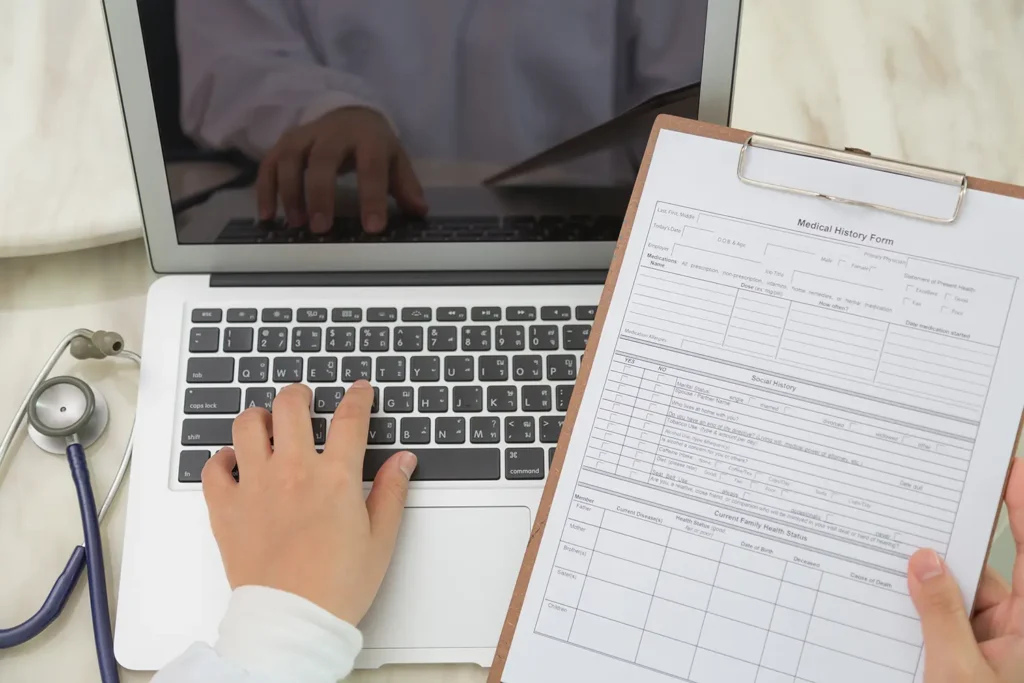
Ask for an itemized bill if you do not already have one. An itemized bill should show each service and the cost for that service.
Look for charges that are repeated services you did not get, dates, wrong insurance information or charges that do not match the care you received. The Consumer Financial Protection Bureau says you should check if the bill shows the services and if the insurance payments have been correctly added.
Compare the Bill With Your Insurance Explanation of Benefits
If you have health insurance look at the medical bill and compare it to your Explanation of Benefits (EOB).
An EOB usually shows what the insurance company was charged what it paid what was not covered and what part you might need to pay.
Do not think that the provider’s bill is right just because the insurance company processed the claim.
If something does not match, talk to the provider’s billing department and your insurance company to find out where the mistake happened.
Ask for an Itemized Bill
One of the steps when learning how to talk about medical bills is to ask for a detailed list.
An itemized bill can help you see any charges that seem wrong and understand what you are being asked to pay. The CFPB also says to ask for a list of charges when dealing with medical debt.
Look at each charge and ask questions about anything you do not understand.
You can say:
“Could you please give me an itemized statement that shows every charge, payment, adjustment and remaining balance?”
Having the information in writing can make it easier to talk to the billing department.
Ask the Provider to Correct Billing Errors
If you find a mistake call the billing department before you make a payment.
Explain the problem clearly. Give any papers that support your case. For example if you were charged twice for the service point out the duplicate charge and ask to have it removed.
If your insurance information was wrong ask the provider to send the claim after fixing the details.
Keep a record of your talks, including the date name of the person you spoke with a reference number and what the person agreed to do.
Keep Copies of Everything
Save your bills, EOBs, insurance letters, receipts, applications for help with money and emails.
If you disagree with a charge having all the papers organized can help if you need to check later.
Ask for a Lower Medical Bill
Once you know the bill is correct you can ask if the provider is willing to make it smaller.
Do not be afraid to ask in a way.
You could say:
“I have looked at the bill. I am having trouble paying the full amount. Are there any discounts, help with money or ways to pay less available?”
CMS says people who cannot afford a bill should ask the provider about lowering the cost or setting up a payment plan.
The provider may have choices depending on your situation, insurance, money and the way the organization works.
Ask About the Self-Pay or Cash Price
If you do not have insurance or are paying for a service on your own ask if the provider has a cash or self-pay price.
Hospitals in the United States must show some prices under rules for hospital pricing. This can help people compare prices and know what to expect for healthcare costs.
The price online may not always be the amount you actually need to pay especially if you have insurance, a deductible, coinsurance or other things involved.
Apply for Financial Assistance
Help with money might be one of the choices for people who cannot afford their medical bills.
Hospitals and health care groups may have programs that lower or even remove some costs if you have a time paying.
Nonprofit hospitals must offer help with money to people who cannot afford care. CMS says to ask the billing department about the hospital’s help with money plan and look at the rules and how to apply.
Help with money might also be available for some people who have insurance especially if they are not covered enough.

Ask About Charity Care
Charity care is another way to say help with money for bills.
Ask the hospital:
Do you have a help with money program?
What are the income limits?
Can people with insurance apply?
Is there a deadline?
What papers do I need?
Can my current bill wait while my application is being reviewed?
The CFPB says that help with money programs can give cheaper care to people who qualify and may be available from providers, states, groups or other organizations.
Negotiate a Payment Plan
If you cannot lower the bill enough to pay away ask about a payment plan.
A payment plan lets you pay in parts over time.
Before agreeing ask if there is interest, fees or other costs.
An interest-free plan might be better, than putting the bill on a credit card with high interest. The CFPB says to be careful when using credit cards or medical credit cards to pay debt because interest can make the debt bigger.
Get the Medical Bill Agreement in Writing
If the healthcare provider agrees to reduce your medical bill balance or set up a payment plan you need to ask for written confirmation.The document should clearly state the amount you owe the payment amount, the payment schedule and any interest or fees that apply to your bill.Do not just rely on what the healthcare provider says.
Research Prices for Comparable Healthcare Services
Comparing prices can help you when you are talking to the healthcare provider about your bill, especially for services you planned ahead of time.The Centers for Medicare and Medicaid Services says that hospitals have to make some pricing information available to the public so you can compare what different hospitals charge.
If you find out that similar services cost a lot less else you can ask the billing department to review your medical bill charge.This does not mean the healthcare provider will match the facilitys price but having good information can make your conversation more productive.
Understand Your Rights When You Get a Surprise Medical Bill
Some medical bills may be covered by state laws.
The No Surprises Act for example protects you from surprise medical bills when you get care from a healthcare provider who is not in your network.If you think you got a surprise bill that should have been covered you should review the rules and contact your health plan or the federal or state agency that can help you.
The Centers for Medicare and Medicaid Services has a help desk for people who need information about these protections.Not all unexpected medical bills are covered so you need to check the circumstances of your medical bill.
What to Say When You Call the Billing Department
Knowing what to say can make talking to the billing department less stressful.You should start by being polite and explaining your situation clearly.
You could say something like: “I got this bill and I want to make sure the charges are correct. I have looked at the statement. I am worried about the amount I owe. Can you tell me if there are any financial assistance programs, discounts or payment options for my medical bill?”If you found a mistake you should be specific: “This charge is on my itemized bill twice. Can you please review it. Let me know if it can be corrected?”
If you cannot afford the bill: “I want to pay this balance but I cannot afford the full amount at once. Can we talk about a reduced balance or an interest-free payment plan for my bill?”Being prepared and respectful can make the conversation more productive.
Do Not Pay the Medical Bill Before Checking It
If you get a medical bill you may feel like you need to pay it right away.However if you have questions about the charges you should take some time to review them
The Consumer Financial Protection Bureau says you should make sure the medical bill is correct and that you really owe it before you pay.If you pay a charge right away it may be harder to get your money back later.This does not mean you should ignore the bill. Instead you should contact the healthcare provider away and explain that you are reviewing the charges.
Be Careful With Medical Debt Collections
If a medical bill has already been sent to collections you should not ignore the communications.
You should ask the collector for information about the debt. Compare it with your records.If you think the amount is incorrect you should dispute it. Keep documentation.If you are applying for assistance you should tell the collector and the healthcare provider that an application is pending.
The Centers for Medicare and Medicaid Services says you should tell debt collectors when you are seeking assistance and ask about pausing collections while the process is reviewed.Medical debt can involve state protections so you may want to get help from a qualified consumer or legal expert if you have a serious dispute.

Consider Getting a Patient Advocate
If the billing situation is complicated a patient advocate may be able to help you with your bill.Patient advocates can assist with navigating healthcare bills, insurance issues and financial assistance programs.
Some advocates work with hospitals or nonprofit organizations while others may charge fees.Before you hire anyone you should understand what services they provide and what they charge.For disputes an advocate may save you time and help you understand your options for your medical bill.
Common Mistakes to Avoid
One of the mistakes is ignoring a medical bill because it seems too expensive.Ignoring it does not make the debt go away. Can create more problems.Another mistake is assuming every charge on your bill is correct.You should also avoid putting a medical bill on a high-interest credit card without looking at other options first.A provider payment plan or financial assistance program may be less expensive for your bill.
Do not make promises about payments that you cannot really afford.A payment plan should fit your household budget.Finally avoid having negotiations only over the phone without keeping records.Written documentation can be very useful if there is a disagreement later about your bill.
Final Thoughts
Learning how to negotiate bills starts with understanding the bill instead of just accepting the amount.You should request an itemized statement compare it with your insurance Explanation of Benefits look for errors and ask questions about charges.
Once you know the medical bill is accurate you should ask about discounts, financial assistance, charity care, self-pay rates and payment plans.If you are uninsured or underinsured do not assume you have no options.The Centers for Medicare and Medicaid Services says you should ask healthcare facilities about assistance and eligible patients at nonprofit hospitals may qualify for assistance.
For planned healthcare services price transparency information may also help you compare costs and make informed decisions.Importantly stay organized and communicate early.Medical billing problems are generally easier to address when you contact the provider before the account becomes seriously delinquent.

Conclusion
Knowing how to negotiate bills can help you take control of a big healthcare expense.
The process begins with reviewing your medical bill requesting an itemized statement comparing charges with your insurance records and identifying possible errors.If the medical bill is accurate but unaffordable you should ask the provider about assistance, charity care, discounts, reduced balances and payment plans.For patients financial assistance can significantly reduce healthcare costs.
You can also research healthcare prices understand your insurance rights and investigate whether surprise-billing protections apply to your situation.Keep records of every conversation and request important agreements, in writing.A medical bill may look final. It is often worth asking questions before paying the full amount.With review respectful negotiation and knowledge of available assistance programs you may be able to reduce your financial burden or create a payment arrangement that fits your budget for your medical bill.
Read More about personal finance.Blog