

Introduction
Learn the top retirement mistakes to avoid in 2026 guide. Discover common retirement planning errors, investment mistakes, budgeting tips, debt management strategies, Social Security insights, expert retirement advice, and practical steps to build long-term financial security.
Planning for retirement is one of the important things you will ever do for your money. A lot of people think about saving money and investing for the future. It is also very important to avoid making expensive mistakes with your money. Even small mistakes that you make while you are working can reduce the money you have when you retire make you more stressed about money or make you wait longer to retire.
It is an idea to know about the most common mistakes that people make when they are planning for retirement so you can make better decisions about your money. Whether you are in your 20s, 30s, 40s or getting close to retirement making decisions about your money now can help you have a more secure financial future.
This guide will tell you about the common mistakes that people make when they are planning for retirement why they happen and what you can do to avoid them and have a comfortable retirement.
Why Retirement Planning Matters
Retirement planning is not about saving money. It is about making a long-term plan for your money that will support the life you want to have in the future including your health and your personal goals.
If you do not have a plan for retirement you might have expenses or your money might not be worth as much because of inflation or you might make bad investments. These things can cause you a lot of stress about money when you are older.
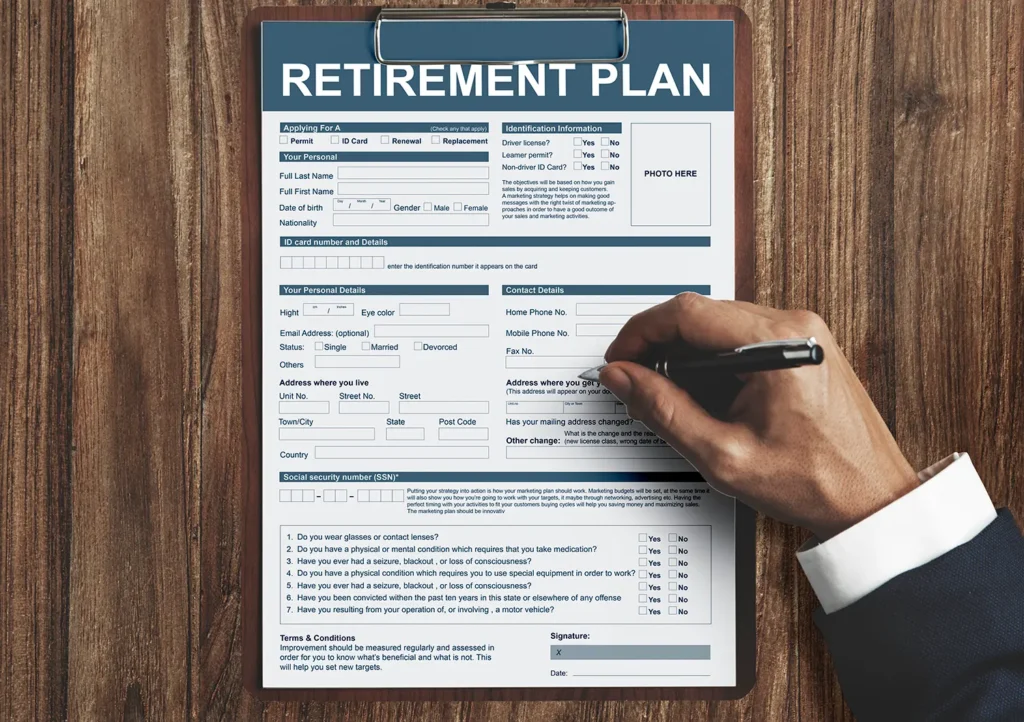
Benefits of Early Retirement Planning
Starting to plan for retirement early is a good idea. It gives you time for your money to grow and it makes it easier to invest your money. You will also need to save money each month and you will be more secure financially. You will also be less stressed about retirement.
Even if you can only save a bit of money each month it can add up to a lot over time.
Build Good Financial Habits
To plan for retirement you need to save your money consistently spend your money responsibly and invest your money for the long term. You should not try to make a lot of money
Mistake #1: Waiting Too to Start Saving
One of the biggest mistakes that people make when they are planning for retirement is waiting too long to start saving. A lot of people think that they can always save money later. This is not a good idea.
Some people do not start saving for retirement because they are paying off debt or buying a house or raising a family. These things are important. You should not wait to start saving for retirement. The earlier you start saving the time your money has to grow.
Why Starting Matters
The sooner you start investing your money, the better. If you start saving in your 20s or 30s you will have a lot money when you retire than if you wait until your 40s or 50s.
You do not need a lot of money to start investing. You can start with an amount of money and add to it each month. This is often better than waiting until you have a lot of money to invest.
Mistake #2: Not Saving Enough
Saving money occasionally is better than not saving all but it is not enough. You need to save money to have enough, for retirement.
A lot of people do not save money because they do not think they will need it.. You will need more money than you think to live comfortably when you retire.
Increase Savings Over Time
When you get a raise you should try to save money for retirement. Even a small increase each year can make a difference in the long run.
Make Saving Automatic
It is an idea to set up your retirement savings to happen automatically. This way you will not be tempted to spend the money on something
Mistake #3: Depending on Social Security
Social Security can provide some money when you retire but it is not enough to live on. You should not rely on Social Security for your retirement income.
Build Multiple Retirement Income Sources
It is an idea to have multiple sources of income when you retire. You can use:
- Employer retirement plans
- Individual Retirement Accounts (IRAs)
- Savings
- Investment portfolios
- Pension income (if you have it)
- Emergency savings
Having sources of income will give you more freedom and security when you retire.
Diversify Your Financial Future
It is an idea to diversify your retirement income so you are not relying on just one source of money. This will reduce your risk. Make your financial future more stable.
Mistake #4: Ignoring Inflation
Inflation is something that slowly increases the cost of things we buy.
Housing and groceries and healthcare and transportation and utilities may all become a lot more expensive over time.
Invest for Long-Term Growth
If you keep all your retirement money in accounts that do not grow much you may not be able to buy much with that money after several decades.
Retirement savings should be invested in a way that helps them grow over the term, which can also help offset the effects of inflation on retirement savings.
A good investment strategy for retirement savings can provide long-term growth for retirement savings.
Review Your Retirement Plan
You should regularly review your retirement strategy to make sure your investments continue to support your term financial goals for retirement.
This helps ensure that your retirement savings are on track to meet your needs.
Mistake #5: Carrying High-Interest Debt into Retirement
If you enter retirement with a lot of high-interest debt it can put pressure on the money you have for retirement.
Credit card debt and expensive personal loans can reduce the amount of money you have for living expenses during retirement.
Prioritize Debt Reduction
You should develop a plan to pay off high-interest debt while still saving for retirement.
This helps create financial freedom during retirement.
Managing debt before you retire is important for your freedom during retirement.
Avoid Unnecessary Borrowing
Be careful when making purchases and think twice before taking on more debt that could delay your retirement goals for retirement.
This can help you avoid stress during retirement.
Mistake #6: Not Building an Emergency Fund
You never know when unexpected expenses will come up and they can happen at any time.
If you do not have any emergency money set aside you may have to withdraw from your retirement accounts, which can reduce their growth over time.
Prepare for Financial Emergencies
An emergency fund can help cover things like:
- Medical expenses
- Home repairs
- Vehicle repairs
- Job loss
- Family emergencies
Having an emergency fund protects your retirement investments and retirement savings.
Maintain Stability
You should regularly review your emergency fund and add more money to it after unexpected expenses come up.
This helps maintain stability and ensures that your retirement savings are safe.
Mistake #7: Choosing Investments Without Diversification
If you put all your retirement money into one investment you are taking a risk with your retirement savings.
The market can go up and down over time. It is a good idea to spread your investments around to reduce risk for your retirement savings.
Build a Balanced Portfolio
A good retirement portfolio should include things like:
- Stocks
- Bonds
- Funds
- Exchange-Traded Funds (ETFs)
- Cash equivalents
This helps reduce the risk of your investments and ensures that your retirement savings are more stable.
Review Investments Annually
You should regularly review your investments. Make changes as needed to ensure that they still align with your retirement goals and risk tolerance, for retirement savings.
Mistake #8: Withdrawing Retirement Savings Too Early
One of the expensive errors in planning for retirement is taking money out of retirement accounts before it is really needed. Withdrawing money early not cuts down the amount that can grow in the future but can also lead to taxes or fees depending on the type of retirement account and the tax laws that apply.
Every single dollar taken out today is a dollar that no longer has the chance to grow through the power of compounding returns.
Protect Your Retirement Savings
of using retirement money for immediate needs try to use an emergency fund or other savings whenever possible. Keeping retirement investments intact gives them time to grow.
Think Long Term
Before deciding to take money out think about how it will impact your income when you are retired many years from now.
Mistake #9: Ignoring Healthcare Costs
Many people don’t realize how expensive healthcare can be during retirement. Medical costs usually go up as people get older making it important to plan for healthcare expenses as part of retirement preparation.
Without planning medical costs can take away from retirement savings faster than expected.

Budget for Future Medical Expenses
Add expected healthcare costs to your retirement plan, such as:
Health insurance premiums
Prescription medications
Regular doctor visits
Dental care
Eye care
Expenses for long-term care
Planning early can help reduce worries later.
Maintain Health Insurance
Check your insurance coverage often to make sure it still fits your needs as you get closer to retirement.
Mistake #10: Failing to Review Your Retirement Plan
A retirement plan should not stay the same for years.
Your income, family situation how your investments are doing and your financial goals can all change over time.
Review Your Plan Every Year
Annual reviews help you:
Change your savings goals.
Rebalance your investments.
Update your estimates for retirement income.
Keep track of your progress.
Adjust to any changes in your life.
Regular reviews help make sure your retirement plan stays on track with your long-term goals.
Update Beneficiaries
Don’t forget to check your beneficiary information after events like getting married getting divorced or having a child.
Mistake #11: Emotional Investing
Financial markets go up and down all the time.
Some people make choices during times when the market is unstable. They might sell their investments after prices drop or buy when things seem exciting.
These choices can hurt returns over the run.
Stay Focused on Long-Term Goals
Good retirement investing usually needs patience and self-control.
Of reacting to daily changes in the market keep a mix of investments that support your retirement goals.
Avoid Panic Decisions
Short-term changes, in the market are normal when investing for the term.
Mistake #12: Not Understanding Retirement Taxes
Taxes are a deal when you are retired.
Retirement accounts have tax rules and if you do not understand these rules you might get less money when you retire.
You need to think about taxes when you make a plan for your money.
Consider how taxes will affect the money you take out of your retirement accounts the money you make from investments your Social Security benefits the money you get from a pension and the money you have to take out of your accounts.
If you think about taxes when you make a plan you might have money when you are retired.
Keep track of your money so you can do your taxes easily and correctly.
If you have all your papers in order it is easier to do your taxes. You will not make mistakes.

Mistake #13: Spending Much in Early Retirement
Some people spend a lot of money when they first retire because they have a lot of free time and they want to travel and have fun.
If you do not make a budget you might spend all your money quickly.
You need to make a budget for when you’re retired.
Your budget should include the money you spend on your house, utilities, food getting around healthcare, insurance, entertainment and saving for emergencies.
If you have a budget you will have enough money for a long time.
Check how money you are spending every month and change your budget if you need to.
Mistake #14: Ignoring Estate Planning
Estate planning is important when you are getting ready for retirement.
If you do not make a plan your money and things might not go to the people you want them to. You need to make some papers.
These papers might include a will, a power of attorney papers that say what you want to happen if you get sick and papers that say who gets your money when you die.
You should look at these papers every now and then to make sure they are still good.
Talk to the people you trust about the decisions you make about your money and your things.
Mistake #15: Failing to Continue Learning
The rules about money and retirement are always changing.
If you keep learning you will make decisions about your retirement.
You should keep reading about investing, budgeting, taxes, Social Security, estate planning and how to manage your money.
If you keep learning you will make decisions about your money.
Use sources you trust to get information about your retirement plan.
Build Better Retirement Habits
Not making mistakes when you are retired is part of being good with money.
If you make habits you will have a better retirement plan.
You should try to save your money all the time invest your money regularly spend your money wisely check your goals save for emergencies and do not borrow too much money.
If you do these things all the time you will be off in the long run.
Just remember that planning, for retirement is something you have to do your life.
It is better to be consistent and patient than to try to make a lot of money.
Retirement Planning is Not That Hard
Building a retirement plan is not about finding the perfect investment. It is about making financial decisions and avoiding mistakes that can hurt your retirement savings.
You should make financial decisions all the time. This will help you have a secure future and reduce financial risks.

Start Saving Now
Time is very important when it comes to retirement planning. The earlier you start saving the time your money has to grow.
Even if you can only save a bit each month it is better to start early. This will give you results in the long run than waiting to save more money later.
Be Consistent
You should put money into your retirement account every month. It is better to do this than to try to save a lot of money at one time.
Increase Your Retirement Savings
As you earn money you should put more money into your retirement account.
Many people get raises at work. They forget to put more money into their retirement account.
Save More When You Get a Raise
When you get a raise you should put some of the money into your retirement account.
This will help you save money for retirement without changing your lifestyle too much.
Make Your Savings Automatic
You should set up your retirement account to take money out of your paycheck automatically. This will help you remember to save for retirement every month.

Do Not Put All Your Money in One Place
You should spread your money across types of investments. This will help reduce the risk of losing money.
You can invest in things like
- Stocks
- Bonds
- Funds
- Exchange-Traded Funds (ETFs)
- Index Funds
- Cash Equivalents
Spreading your money around does not mean you will not lose any money.. It can help reduce the risk of losing a lot of money.
Check Your Investments Every Year
You should look at your investments every year and make changes if you need to.
Retirement Planning Checklist
You can use a checklist to help you stay on track.
Here is a checklist
Set clear retirement goals
Build an emergency fund
Create a monthly budget
Put money into your retirement account every month
Use any money your employer gives you
Pay off debt that has high interest
Spread your money across different investments
Check your retirement plan every year
Update the person who will get your money when you die
Keep learning about retirement planning
f you follow these steps you will be more secure financially, in the long run.
Check How You Are Doing
You should look at your retirement savings every year to see how you are doing.
Final Thoughts
Making sure you do not make retirement mistakes is just as important as picking the investments for your retirement. Small money decisions that you make every day over years can have a bigger impact on your retirement than trying to make a lot of money from your investments quickly.
Planning for retirement requires you to be patient, disciplined and to review your money situation regularly and to be willing to change your retirement plan as your life changes. Whether you just started working or you are close to retiring starting money habits now can help you have more money when you are retired.
Build a Strong Financial Foundation
A good retirement plan is made over time by saving money investing your money wisely making a budget and planning your money carefully.
Making money decisions now can help you feel more secure about your money in the future.
Keep Improving Your Plan
Planning for retirement is something you need to keep doing. Keep looking at your goals learning about money and changing your retirement plan as your life changes.

Conclusion
Not making retirement mistakes is one of the best ways to protect your money for a long time. Mistakes like not saving for retirement only relying on Social Security having debt with interest not thinking about inflation making investment decisions based on emotions and not looking at your money plan can reduce the money you have when you are retired. By knowing about these problems starting good money habits you can make your retirement plan better and have more money when you are retired.
A good retirement is made by saving money investing your money wisely making a budget and planning your money regularly. Start saving soon as you can put your money in different investments have money set aside for emergencies add more money to your retirement plan as you make more money and look at your retirement plan every year. With patience making decisions and thinking about the long term you can avoid making expensive retirement mistakes and feel more secure, about your money when you are retired.
Read More about personal finance.Blog